Tracking Trains in 2026: The Tools You’ll Actually Use
- Jan 30
- 5 min read
If you’ve ever traveled by train in India, you already know the drill: reaching the station early, scanning the announcement boards, listening to half-audible PA systems, and asking random co-passengers, “Bhaiya, train kitne baje aayegi?”
Thankfully, those days are fading fast. Live Train Status technology has made train travel smarter, calmer, and way more predictable.
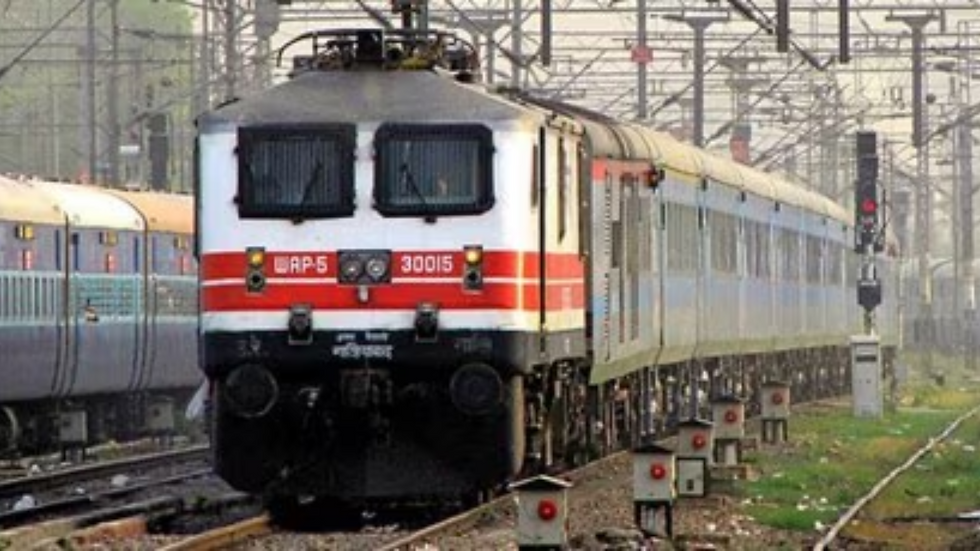
By 2026, Indian Railways and private tech platforms have matured into a powerful ecosystem of apps, APIs, and live data feeds that help you know exactly where your train is—down to the minute.
So whether you're a daily commuter juggling schedules or a long-distance traveler coordinating pickups, live train tracking is a game-changer.
This guide breaks down:
✔ What “Live Train Status” means✔ Why it matters for modern travelers✔ The best tools & platforms in 2026✔ How real-time tracking works behind the scenes✔ Future trends that will level up travel in coming years
Let’s dive in.
What Does “Live Train Status” Actually Mean?
When someone says they’re checking “live status,” they’re essentially looking for these data points:
Current Train Location (station or in-between)
Estimated Arrival Time (ETA) at upcoming stations
Actual Arrival & Departure Times
Next Station & Last Station Passed
Delay Information (in minutes or hours)
Platform Number (at certain stations)
Train Speed (sometimes)
In short: It tells you where the train is, how delayed it is, and when it’ll reach your stop.
Why Live Train Status Matters in 2026
India has one of the busiest rail networks in the world—with 23+ million daily passengers and thousands of trains running across zones.
Live tracking matters because it helps:
1. Avoid Station Waiting
No more sitting on cold platforms for hours.
2. Coordinate Pickups & Drops
Family, taxi, or autos know exactly when to show up.
3. Check Delay Information
Weather, fog, and congestion can throw schedules off—live data fixes the guesswork.
4. Improve Safety
Passengers avoid late-night waiting and platform overcrowding.
5. Help Daily Commuters
Suburban and intercity travelers rely heavily on accurate timing.
If you’ve lived through winter fog in North India, you know delays can go from minutes to hours—live status becomes essential.
How Live Train Tracking Works (Simplified)
Live status data is pulled from multiple systems and synced intelligently. Here’s how it works behind the scenes:
✔ GPS & Onboard Devices
Modern trains use GPS for precise geo-location.
✔ Railway Signaling Networks
Signals record train movement between sections.
✔ Track Sensors & Interlocking
Nodes report which train passed, at what time.
✔ Station Reporting Systems
Stations update arrival/departure manually or automatically.
✔ Central Railway Servers
Everything is stored & processed by IR’s centralized databases like NTES.
Once processed, the info is distributed to:
Passenger apps
Railway websites
Third-party APIs
Enquiry systems
This is how you see real-time updates from your phone in a few seconds.
Tools to Check Live Train Status in 2026 (The Essential List)
Here are the most reliable and widely used platforms that every passenger should know.
1. RailMitra (Fast, User-Friendly, Prediction Features)
RailMitra has become one of the go-to platforms for passengers who want:
Live running status
Train location updates
ETA at upcoming stations
Delay & speed info
Platform numbers (when available)
PNR & food ordering features
How to use:
Go to RailMitra website/app
Open Live Train Status
Enter Train Number or Name
Select Boarding Station if needed
View real-time results
Pros:
Simple UI
Fast updates
Works on mobile data
Combines food + PNR + live tracking
2. NTES (National Train Enquiry System – Official Source)
NTES is the official live status platform of Indian Railways, used by millions daily.
Features include:
Train location mapping
Delay reports
Arrival/departure times
Cancelled/rescheduled train details
You can use it via:
Website
Mobile app
Station display boards
Pros:
Highly accurate
Maintained by Indian Railways
Cons:
UI feels technical for some users
3. IRCTC Rail Connect App
While IRCTC is mainly for ticket booking, it also supports:
Live train enquiry (via NTES integration)
PNR + Schedule + Coach info
Useful for frequent IRCTC ticket users.
Good for all-in-one needs Not primarily built for live tracking speed
4. Railway Helpline: Dial 139
If you can’t access internet, dial 139 and follow voice options to get:
Train running info
Arrival timings
Delays
Works on landline + mobile.
Great for offline access Slower than apps, voice prompts take time
5. Google Maps (Live Train Tracking for Some Routes)
One underrated method is Google Maps Transit, which shows:
Live train movement
Platform suggestions
Real-time ETAs
Mostly available in metro/suburban corridors like:
Mumbai Local
Delhi Metro connectivity
Kolkata Metro
Hyderabad MMTS
In 2026, coverage is improving for express trains too.
Bonus: Station-Based Tools (For On-Site Passengers)
If you’re already at a station, you can check:
✔ LED Display Boards → Arrival & platform info✔ Announcement Systems → Real-time voice updates✔ Enquiry Counters → Manual tracking✔ Foot-Over Bridge Screens → Platform allocation
Combo of live apps + station boards = perfect clarity.
What Live Status Information Looks Like (Example)
When you check live running status, you may see information like:
Train 12345 Rajdhani ExpressLast reported at Kanpur Central (20:36)Delay: +45 minutesNext halt: Allahabad Jn (ETA: 22:05)Distance remaining to destination: 520 km
This is the kind of granularity passengers love because it makes decisions easier.
Why Trains Get Delayed (Key Factors in 2026)
Even with better signaling & Vande Bharat trains, delays still happen because of:
✔ Fog in North India (Dec–Feb)✔ Track congestion✔ Freight traffic priority in zones✔ Technical failures✔ Weather (rain/cyclones)✔ Maintenance schedules✔ Route sharing with suburban networks
Knowing live status helps you adapt quickly.
Future Trends: What’s Next for Live Train Tracking?
By 2030, Indian train tracking will likely see upgrades like:
1. Satellite GPS-based Tracking
More accurate than terrestrial GPS alone.
2. Coach-Based Tracking
Instead of tracking entire trains, each coach will have identifiers.
3. Predictive Delay Algorithms
AI will predict delays hours in advance (similar to flight tech).
4. Passenger Notifications
Auto alerts for:
Platform changes
Delays
Coach position
Gate information
5. Smart Station Displays
Dynamic displays that sync to your ticket/PNR.
Basically, we’re moving toward an era where train travel feels as predictable as airports.
Pro Tips for Using Live Train Status in Real Life
Here are some hacks frequent travelers swear by:
✔ Check status 30–45 min before leaving home✔ Share live location with pickup drivers✔ Use RailMitra + NTES combo for accuracy✔ During winters, track via SMS (network complaints are common)✔ For night arrivals, wait inside the train till platform clarity is confirmed✔ For elderly passengers, give them 139 helpline instructions
These tiny tricks save tons of stress.
Final Thoughts
Live Train Status is no longer just a “nice-to-have”—in 2026, it’s a must-have travel tool for every Indian Railways passenger.
Thanks to apps, GPS, signaling networks, and smart APIs, you can now:
Know where your train is
See how much delay to expect
Track your exact ETA
Share updates with family
Avoid unnecessary waiting
Whether you’re catching a Rajdhani, a Vande Bharat, an Express, or a daily local—real-time train tracking makes the whole journey smoother and safer.
So next time you plan a trip, don’t waste time guessing. Just pick your favorite tool, check live status, and travel smarter.


Comments